Your Phone Is a Petri Dish: The Acne Hygiene Audit
Quick Answer: Breakouts that show up despite a solid skincare routine often trace back to four everyday hygiene accomplices — your phone screen, your pillowcase, your makeup brushes, and your gym gear — that touch your face far more often than your cleanser does; wiping the phone daily, rotating pillowcases twice a week, washing brushes weekly, and separating gym towels closes most of that loop.
You’ve dialed in your cleanser, your moisturizer, your whole shelf of serums. And yet — same jawline, same breakout, same confusion. Your routine isn’t broken; it might just have an accomplice.
Somewhere between your phone, your pillow, and your gym bag, there’s a repeat offender that never shows up in a skincare review. Time for the audit nobody asks for but everybody needs.

Why does my phone screen cause breakouts?
Here’s the uncomfortable fact: phone screens can carry more bacteria than a lot of toilet seats, mostly because we touch them constantly and clean them almost never. Then, mid-call, that same surface gets pressed directly against your cheek and jawline for minutes at a time.
Dermatologists actually have a nickname for the resulting pattern — a jawline breakout with a suspicious phone-shaped distribution is common enough to be its own recognized genre. The fix is almost embarrassingly simple:
- Wipe your screen daily with a proper screen-safe cloth or wipe, not just your sleeve.
- Go speaker or headphones when you can, especially for longer calls where the screen would otherwise sit against your skin the whole time.
- Keep hand sanitizer nearby, since dirty hands are how the phone gets dirty in the first place.

How often should you actually change your pillowcase?
Think about what your pillowcase absorbs every single night: face oil, leftover skincare product, drool, and whatever else your skin sheds over eight straight hours of direct contact. That’s not a light workload, and it adds up faster than most people assume.
For breakout-prone skin, twice-weekly pillowcase changes make a noticeable difference compared to the once-a-week (or honestly, once-a-month) default. The easiest way to actually stick to this: keep three pillowcases in rotation instead of one, so there’s always a clean one ready and laundry never becomes the bottleneck.
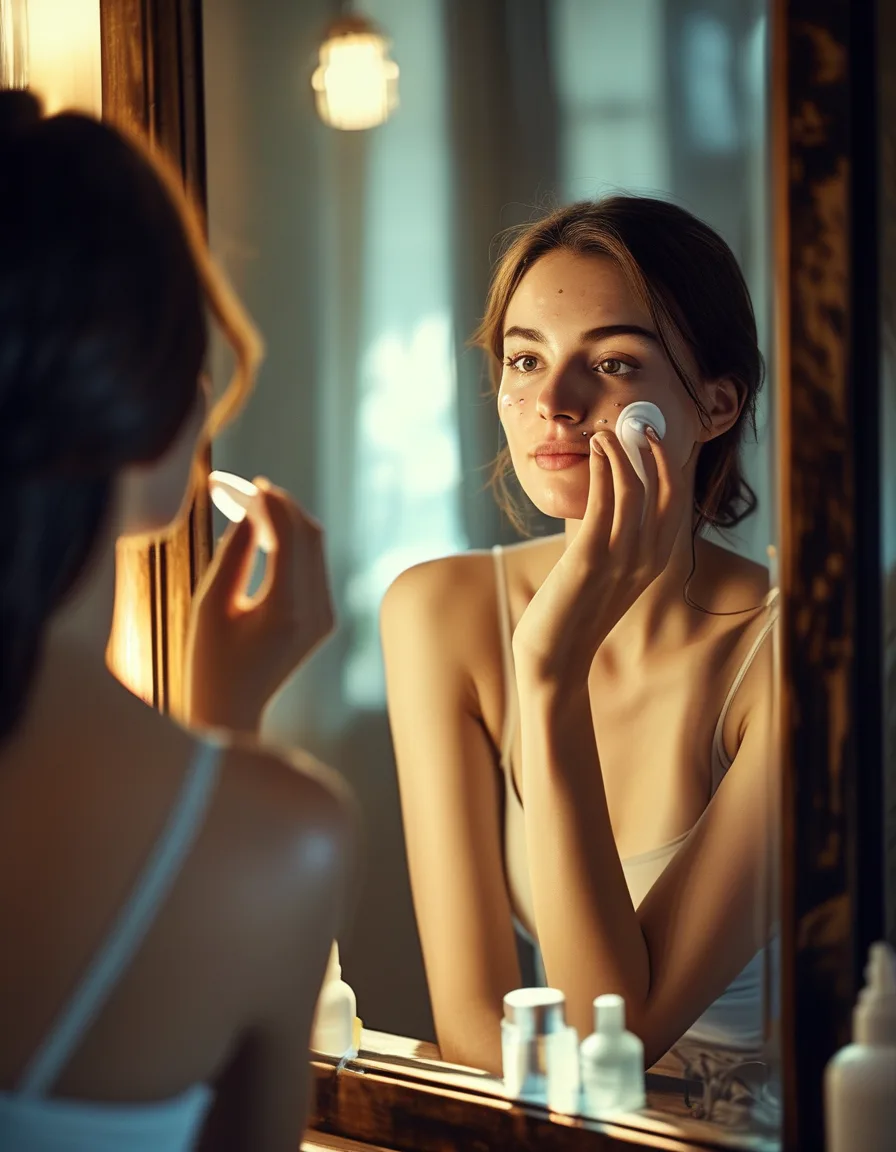
Are makeup brushes and sponges really that dirty?
Yes — and it’s worth sitting with why. A damp brush or sponge, stored in a warm bathroom, is close to an ideal environment for bacteria to build up between uses. They’re moist bacteria condos, and every swipe across your face reintroduces whatever’s been growing since the last wash.
- Wash brushes weekly with a gentle shampoo or dedicated brush cleanser, then let them air dry fully before storing them.
- Replace sponges roughly monthly, since their texture makes them harder to fully clean than a brush.
- Trust your nose. If a brush smells like anything at all, it has already told on itself — that’s not a smell that belongs anywhere near your face.

What Nobody Tells You About Gym-Related Breakouts
Gym breakouts get blamed on sweat, but sweat is rarely the actual villain — it’s usually the gear sweat interacts with. A few things nobody mentions until you’ve already dealt with the breakout:
- The gym towel doing double duty is the real problem. Wiping down a bench and then your face with the same towel transfers whatever was on that bench directly onto your skin.
- Headbands get worn far longer than they should. A headband on day two of reuse has absorbed two workouts’ worth of sweat and product before it ever touches you again.
- Sitting in damp workout clothes for hours after class matters more than people think. The longer sweat sits against skin, especially on the back and chest, the more likely it is to clog pores.
The counter-moves are just as simple: bring a separate towel for your face, wash headbands weekly, and shower reasonably soon after a workout instead of running errands in the same spandex for the rest of the afternoon.
Do I still need to see a dermatologist if I fix all of this?
Cleaning up these four habits solves a meaningful chunk of “why is this still happening” breakouts, especially the ones that seem to cluster around the jaw, cheek, or chest. But hygiene fixes aren’t a substitute for professional care when breakouts are persistent, painful, or leaving marks behind — that’s a fair reason to check in with a dermatologist rather than keep troubleshooting solo. Hygiene and skincare work together; neither one is the whole answer by itself.
FAQ: Acne Hygiene Habits
Can my phone really cause acne on just one side of my face?
Yes — if you consistently hold your phone to one ear, that side gets more direct screen contact and bacteria transfer, which is why some people notice breakouts concentrated on their dominant-call-side jawline.
How many pillowcases should I own to keep up with washing them?
Three is a practical number for breakout-prone skin — one in use, one clean and ready, and one in the wash — so a twice-weekly change never depends on laundry timing.
Is it bad to use the same makeup sponge for months?
It’s not ideal — sponges are harder to fully clean than brushes because of their texture, so bacteria tends to build up faster, which is why a roughly monthly replacement schedule is worth following.
TL;DR:
- Phone screens can carry more bacteria than toilet seats and press it directly onto your jawline during calls — wipe daily and use speaker when you can.
- Pillowcases absorb eight hours of oil and residue nightly; twice-weekly changes (with three in rotation) keep breakout-prone skin ahead of it.
- Makeup brushes and sponges are damp bacteria magnets — wash brushes weekly, replace sponges monthly, and trust your nose.
- Gym gear (shared towels, reused headbands, damp clothes) is an underrated breakout trigger — separate your face towel and shower reasonably soon after working out.
- Fixing hygiene habits helps a lot, but persistent or painful breakouts still deserve a dermatologist’s input.
Keep Reading
This article is for general informational purposes only and is not medical advice. Always consult a qualified health professional for guidance specific to you.