The Pre-Period Breakout: A Battle Plan for Cycle-Synced Skin
Quick Answer: Pre-period breakouts show up because oil production ramps up 7–10 days before your period as estrogen dips and progesterone rises — you can’t cancel the hormone shift, but you can blunt it with a proactive “pre-emptive week” routine, calm spot treatment once a pimple actually arrives, and a dermatologist visit if the same deep, cystic bump returns in the same spot every single month.
You know the drill. Your skin has been behaving for three weeks, and then — like it’s checking a calendar you can’t see — the same patch of chin lights up again. You didn’t change your routine. You didn’t eat anything wild. It’s just that time again.
Here’s the thing worth knowing: this isn’t a mystery, and it isn’t a failure of your skincare shelf. It’s hormone scheduling, and hormone scheduling is predictable enough to fight back against.
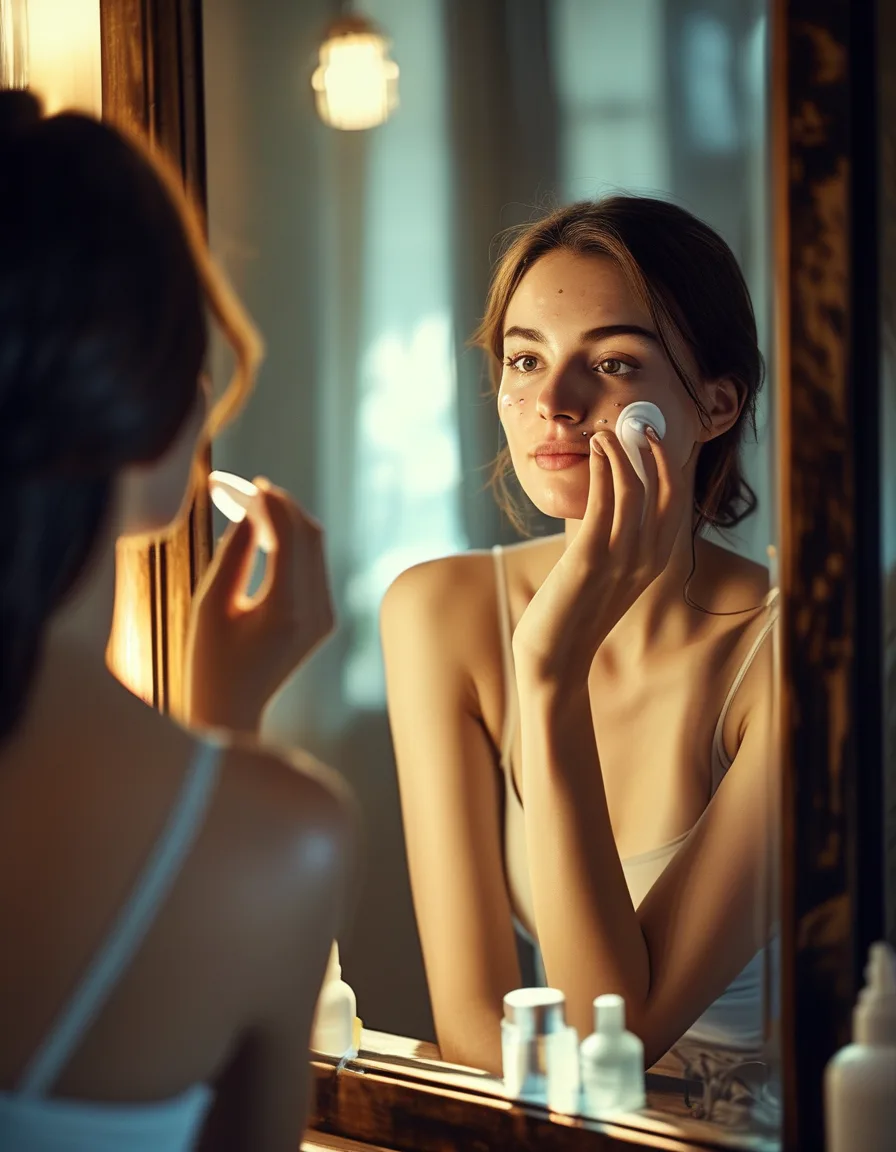
Why do breakouts always happen right before your period?
Your cycle isn’t just about your period — it’s a month-long hormone rollercoaster, and your skin is strapped into the front seat. After ovulation, estrogen drops while progesterone rises, and that shift nudges your oil (sebum) glands into overdrive. More oil plus normal dead skin cells equals congested pores, and congested pores are where breakouts are born.
For a lot of people, that congestion turns visible about 7 to 10 days before their period starts — often in the same general territory (chin and jawline are the classic hormonal-acne zip code) because that’s where oil glands tend to be more hormone-sensitive to begin with. The frustrating part is that it can feel random in the moment. The useful part is that it isn’t.

The fix starts with tracking, not treating. Mark the day your pre-period breakout shows up for two cycles in a row, and you’ll likely notice a pattern tight enough to set a reminder around. Once you know your personal timeline, you stop reacting to breakouts and start anticipating them — which is a much easier fight to win.
What should you change in the week before your period?
Once you know roughly when the hormonal surge is coming, that week becomes your pre-emptive window — the single highest-leverage stretch in the whole cycle. This is where you play defense before there’s anything to defend against.
A few adjustments that earn their keep during that week:
- Increase your exfoliating acid frequency slightly — a modest bump in salicylic acid or azelaic acid use can help keep pores clearer while oil production is climbing.
- Protect your sleep. This isn’t a throwaway wellness tip; poor sleep raises cortisol, and cortisol is basically hormonal acne’s hype man.
- Ease off major sugar spikes where you reasonably can — blood sugar swings and hormone-driven oil production aren’t friends.
- Swap your pillowcase mid-week instead of waiting for laundry day, since your face spends eight hours a night pressed into it.
None of these single-handedly stops a hormonal breakout — nothing fully does, because you can’t override your own hormones with a serum. But stacked together, they meaningfully soften how bad the flare gets. Prevention week reliably beats treatment week.

How do you treat a breakout once it’s already here?
Sometimes the pre-emptive week does its job and sometimes a pimple shows up anyway — hormones don’t read battle plans. When that happens, the goal shifts from prevention to containment.
- Spot-treat, don’t blanket-treat. Benzoyl peroxide dabbed directly on the spot, or a hydrocolloid pimple patch, targets the actual problem instead of drying out skin that was never inflamed to begin with.
- The patch does double duty. Beyond drawing out fluid, a hydrocolloid patch physically blocks your fingers from picking at it — arguably its most underrated feature, since picking is what turns a three-day pimple into a three-week mark.
- Go gentle everywhere else. Skip the aggressive scrub or the new “brightening” acid you just bought. Inflamed skin is already having a moment; sandpapering it is not the plot twist it needs.

Myth vs Fact: Hormonal Breakouts
Myth: You just need to “clean your skin better.” Fact: hormonal breakouts happen from the inside out — oil production driven by cycle-stage hormones — so scrubbing harder doesn’t address the actual cause and usually just adds irritation on top of it.
Myth: Popping a hormonal pimple gets rid of it faster. Fact: cystic, hormone-driven bumps sit deeper under the skin than a regular pimple, so picking tends to spread inflammation and raise the odds of a lasting mark rather than speeding anything up.
Myth: If it’s “just hormones,” there’s nothing you can actually do. Fact: while you can’t switch off the hormone shift, timing your routine around it — the pre-emptive week, targeted spot treatment, and knowing when to escalate — measurably changes how visible and how long each flare-up is.
When should a hormonal breakout see a dermatologist instead of a skincare product?
Most cycle-synced breakouts are manageable at home with the routine above. But deep, painful, cystic bumps that return in the same spot every month are a different category — they sit below where topical treatments can fully reach, and they’re a completely reasonable reason to book a dermatologist visit rather than keep experimenting solo.
A dermatologist can talk through options like spironolactone or other hormone-aware prescriptions that were, frankly, practically built for this exact pattern. There’s no need to treat monthly cystic breakouts as something you just have to live with — good prescription options exist, and a professional conversation is the fastest route to them.
FAQ: Hormonal and Period Breakouts
Why does my acne always show up in the same spot before my period?
Hormone-sensitive oil glands tend to cluster in certain areas, commonly the chin and jawline, so the same territory tends to flare each cycle once oil production increases pre-period.
How many days before my period will a hormonal breakout usually appear?
For many people it lands roughly 7 to 10 days before their period starts, though tracking your own cycle for a couple months is the only way to know your personal timeline for sure.
Is it worth changing my whole skincare routine for one week a month?
Not your whole routine — just a few targeted tweaks during your pre-emptive week (slightly more exfoliating acid, a mid-week pillowcase swap, watching sleep and sugar) tend to be enough without overhauling everything else you’re already doing.
TL;DR:
- Pre-period breakouts stem from estrogen dropping and progesterone rising after ovulation, which ramps up oil production roughly 7–10 days before your period.
- Track two cycles to find your personal timeline, then use that week as a pre-emptive window.
- During the pre-emptive week: slightly more acid exfoliation, better sleep, less sugar spiking, and a mid-week pillowcase change.
- Once a breakout appears, spot-treat with benzoyl peroxide or a hydrocolloid patch and go gentle everywhere else — skip aggressive scrubbing.
- Deep, cystic breakouts that return monthly in the same spot are worth a dermatologist visit; prescriptions like spironolactone exist specifically for this pattern.
Keep Reading
This article is for general informational purposes only and is not medical advice. Always consult a qualified health professional for guidance specific to you.