Why Certain Fabrics and Habits Still Cause Breakouts Under Masks (and What Actually Helps)
Mask-related breakouts along the jaw and cheeks, sometimes called maskne, still show up for plenty of people during extended mask-wearing situations — work environments, travel, certain jobs — and the causes are specific and addressable rather than an unavoidable side effect. Here is why certain fabrics and habits are the real drivers, the factors that matter most, and the skincare adjustments that actually reduce it.
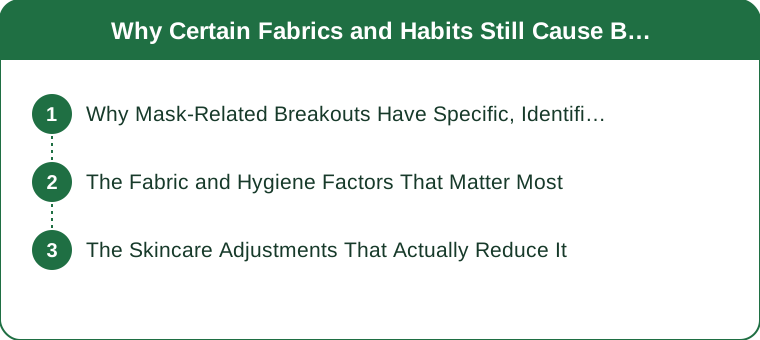
Why Mask-Related Breakouts Have Specific, Identifiable Causes
The mechanism: the the-friction-and-occlusion-combination (the combination of constant fabric friction and a warm, humid, trapped microenvironment against skin creating ideal conditions for clogged pores and irritation — the friction-plus-humidity-is-the-actual-double-mechanism), the the-trapped-breath-moisture-changes-skin-surface-conditions (the warm, humid exhaled breath trapped against skin altering its surface environment in a way that favors breakouts for some skin types — the your-own-breath-becomes-part-of-the-problem), the the-fabric-type-changes-the-friction-and-breathability-profile (the specific fabric weave and breathability directly affecting how much heat, moisture and friction accumulate against skin from the fabric-lab-blog logic — the not-all-mask-fabrics-behave-the-same-way), the the-reused-unwashed-masks-accumulate-oil-and-bacteria (the wearing the same mask repeatedly without washing building up oil, sweat and bacteria that then sit directly against skin — the reuse-without-washing-compounds-every-other-factor), the the-existing-acne-prone-or-sensitive-skin-reacts-more-strongly (the people already prone to acne or sensitivity experiencing amplified effects from the same friction-and-occlusion conditions compared to less reactive skin — the your-baseline-skin-type-changes-how-much-this-affects-you), and the reframe (the maskne mechanism as a specific, understandable combination of friction, trapped moisture and hygiene, not a mysterious or unavoidable consequence of mask-wearing itself)).
The Fabric and Hygiene Factors That Matter Most
What actually drives the difference: the natural-breathable-fabrics-generally-perform-better (the cotton and other breathable natural fabrics generally trapping less heat and moisture than tightly woven synthetic materials — the breathability-reduces-the-core-mechanism-directly), the the-mask-washing-frequency-matters-more-than-mask-type (the how often a reusable mask gets washed mattering as much or more than which specific fabric it’s made from — the washing-frequency-is-an-underrated-lever), the the-a-clean-mask-for-each-extended-wear-period (the using a fresh, clean mask for each new extended wearing period rather than the same one across multiple days — the fresh-per-period-beats-reusing-across-days), the the-fit-affects-friction-independent-of-fabric (the a properly fitted mask reducing the sliding friction that a loose or ill-fitting mask creates regardless of fabric quality — the fit-is-a-separate-lever-from-fabric-choice), the the-duration-of-continuous-wear-compounds-the-effect (the total continuous hours worn in one stretch mattering alongside fabric and hygiene, since the trapped-moisture effect builds over time — the duration-adds-its-own-compounding-factor), and the frame (the real drivers as fabric breathability, wash frequency, using a genuinely clean mask per wear period, fit, and total continuous duration — a specific, addressable set of variables rather than an unavoidable consequence).
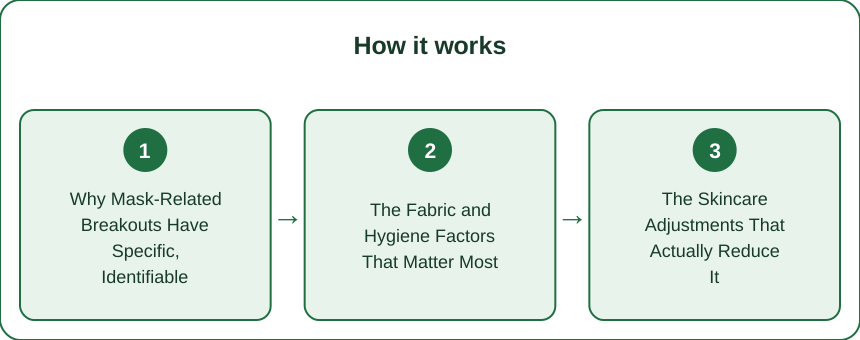
The Skincare Adjustments That Actually Reduce It
What genuinely helps: the simplify-skincare-under-the-mask-area-specifically (the using a lighter, less heavy product layer under the area a mask will cover, reducing added occlusion on top of the mask’s own effect from the minimalist-skincare-routine logic — the lighter-layering-in-the-covered-area-specifically-helps), the the-avoid-heavy-makeup-under-the-mask (the reducing or skipping foundation and heavy makeup specifically in the mask-covered zone, since it adds another occlusive layer under the fabric — the less-product-under-the-fabric-reduces-total-occlusion), the the-cleanse-promptly-after-extended-wear (the cleansing the area soon after removing a mask worn for an extended period, rather than leaving trapped sweat and oil to sit — the prompt-cleansing-after-removal-matters), the the-take-mask-breaks-when-genuinely-possible (the removing a mask briefly during any safe, appropriate window to let skin breathe and reduce continuous occlusion time — the brief-breaks-reduce-the-duration-factor-directly), the the-treat-any-breakouts-with-your-usual-spot-approach (the applying standard spot-treatment principles from the spot-treatment-decoder-guide logic to any breakouts that do occur, rather than assuming they need special maskne-specific products — the standard-acne-care-still-applies-here-nothing-special-required), and the frame (the effective adjustments as lighter skincare and makeup under the mask area, prompt post-wear cleansing, breaks when genuinely possible, and standard spot treatment for any breakouts that occur — addressing the actual mechanism directly rather than needing a specialized maskne-specific product line).
Mask-related breakouts stem from a specific, addressable combination of constant fabric friction and warm, humid trapped moisture against skin, amplified by reused unwashed masks and existing acne-prone or sensitive skin. Breathable natural fabrics like cotton generally trap less heat and moisture than tightly woven synthetics, but wash frequency, using a genuinely clean mask per extended wear period, proper fit, and total continuous wear duration all matter as much as fabric choice alone. Reduce it by lightening skincare and makeup specifically in the area a mask will cover, cleansing promptly after removing a mask worn for a long stretch, taking brief mask breaks when genuinely safe and appropriate, and treating any breakouts that do occur with standard spot-treatment approaches rather than assuming they need specialized products.
Keep Reading
This article is for general informational purposes only and is not medical advice. Always consult a qualified health professional for guidance specific to you.